KOCAN MATERIALS — British materials for global projectsGuide prices in USD / EUR  ·  Project inquiries worldwide

Journal

Notes on material.

Short guides to the decisions behind a specification: lime, slate, brass and the things that change with time.

Mineral finishes

Finish · 01

Why lime breathes.

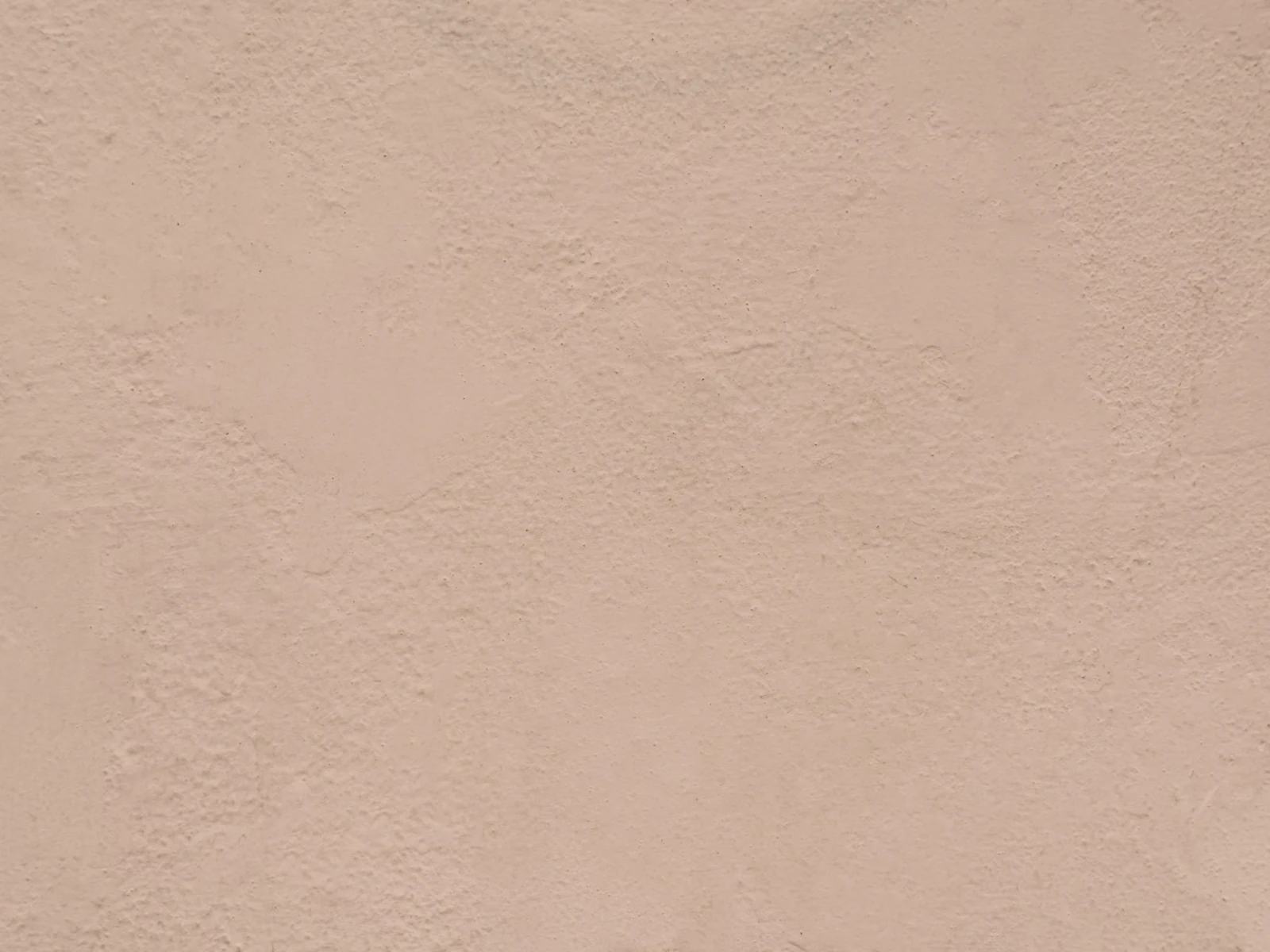
Lime finishes are vapour-permeable. They allow moisture to move through the wall rather than trapping it behind a sealed surface. That matters in solid masonry, older buildings and anywhere condensation is a risk.

Limewash is the lightest expression: a thin, matt coat that can be refreshed. Lime plaster and mortar go further, forming the surface and the joint. The trade-off is that lime is slower, more technique-dependent and less forgiving of poor preparation.

Specify by substrate, exposure and finish — not by colour alone.
Stone & Slate · 02

Reading a slate.

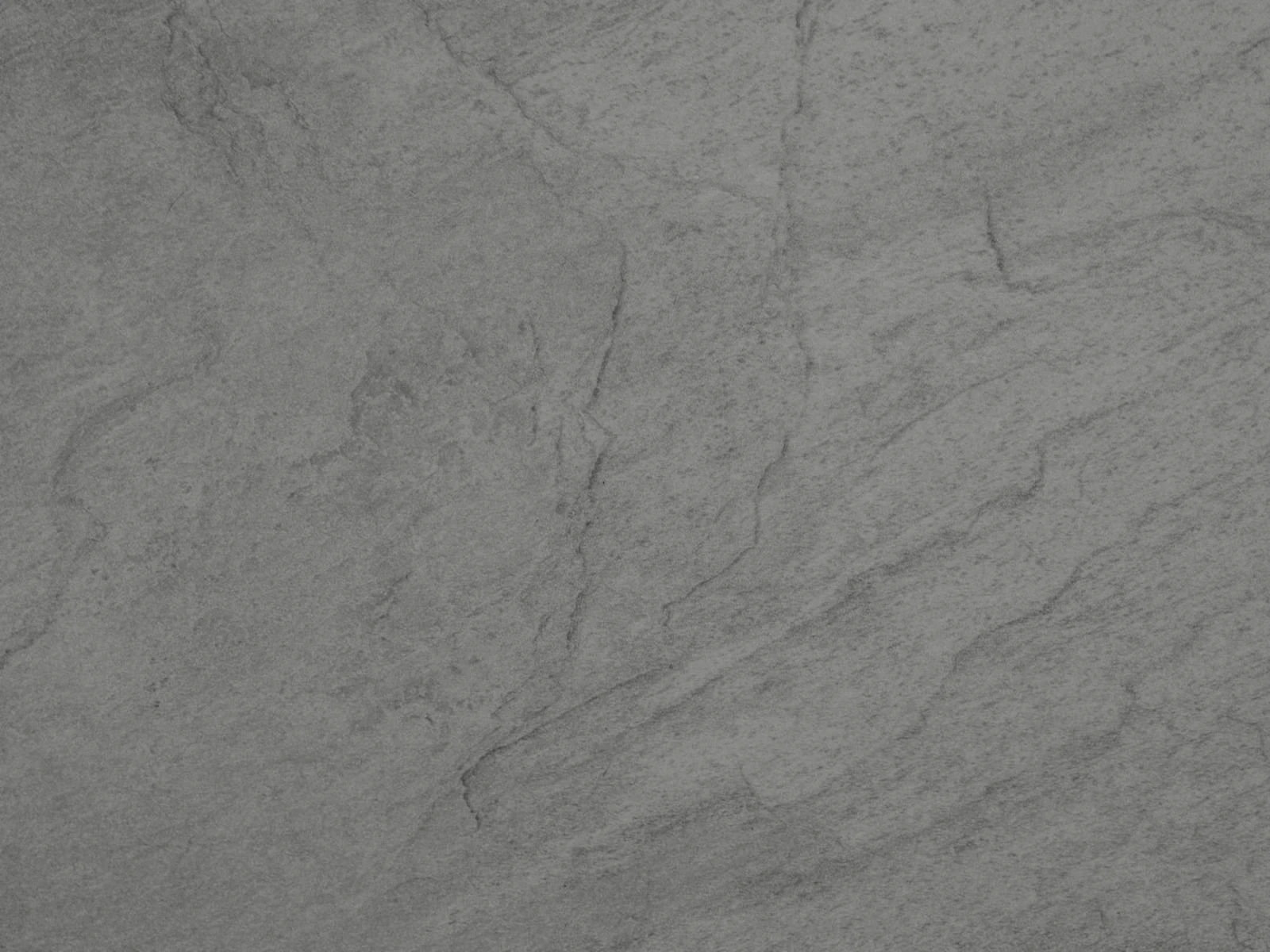
Slate is not one material. Quarry, bedding plane, thickness, surface and colour all change how a roof or façade performs and how it looks in ten years. A sample should be assessed for thickness, dressed edge and variation, not just colour.

For roofing, the specification has to account for pitch, exposure, fixing and ventilation. For flooring and cladding, slip, frost and fixing differ. We ask for the application before recommending a slate.

Welsh and Cumbria slate are not interchangeable. Neither is a single quarry's output uniform.

British stone
Brass hardware

Detail · 03

Brass and the hand.

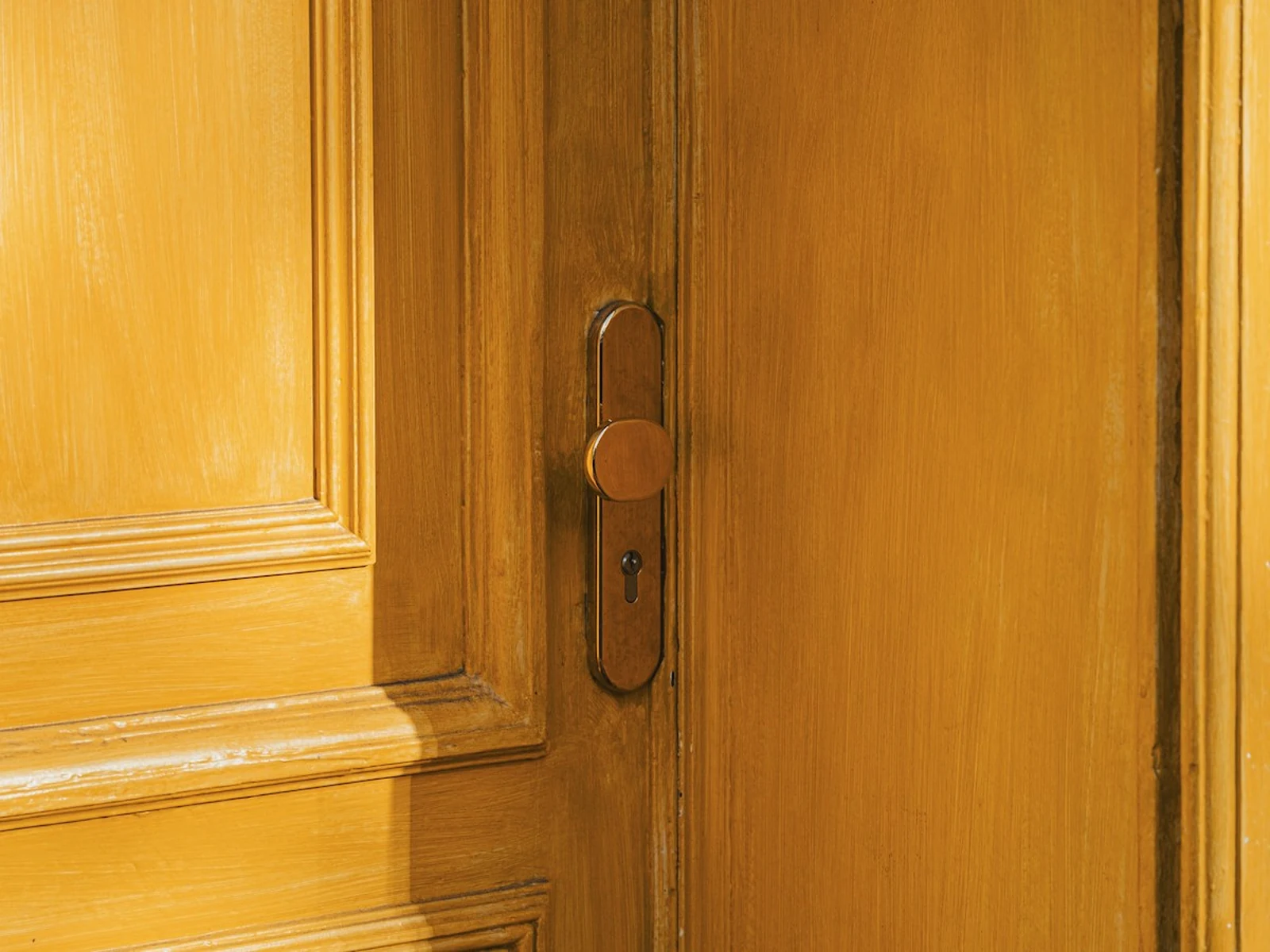
Unlacquered brass changes. Fingermarks, humidity and time produce a patina that some clients want and others do not. Lacquered brass holds a brighter finish but needs more careful cleaning; polished nickel is cooler and more uniform.

Specify the finish, the cleaning regime and the expected patina at the same time. A handle is touched more than almost any other material in a building; it should be chosen for the hand as well as the drawing.

Always request a finish sample. Lighting and screen colour will mislead.